
No products in the cart.
The Role of Luck in Gambling
Luck is often considered a defining factor in the world of gambling, especially in casinos. Many players believe that when they sit down at a table or pull the lever on a slot machine, their fortunes are dictated by an unseen force. This belief is intertwined with the allure of an instant withdrawal casino australia experience, which can amplify the excitement and thrill of gaming. However, it is essential to differentiate between the concept of luck and the mathematical principles governing casino games.
In most games found in casinos, luck plays a fundamental role in short-term outcomes. For instance, a player may experience a winning streak one evening, which might lead them to feel that their “luck” is particularly favorable. This perception can create an illusion of control, where players believe they have some power over an inherently random process. While the short-term outcomes may seem influenced by luck, over time, the laws of probability become more apparent, often leading to expected losses for players.
Additionally, psychological factors contribute to the perception of luck. Gamblers often experience cognitive biases that lead them to attribute successes to their skills or strategies while blaming failures on bad luck. These cognitive distortions can impact decision-making and overall gambling behavior. Understanding these psychological elements is crucial, as they can affect how players engage with games over time and their long-term outcomes in casinos.
The Mathematics Behind Casino Games
Every casino game is designed with a specific house edge, which is a statistical advantage that the casino holds over the players. This mathematical principle dictates that while individual outcomes may vary, over a vast number of games, the house will always prevail. For instance, in games like blackjack or roulette, the probabilities are meticulously calculated, making it evident that luck, although impactful in the short run, cannot overcome the house edge in the long term.
Casinos implement random number generators for electronic games and predefined odds for table games to ensure that every result is dictated by chance. This randomness means that while players may have lucky days, statistically, their winnings will not sustain them over an extended period. The realization of the house edge helps players understand that no matter how lucky they feel, the odds are structured in the casino’s favor.
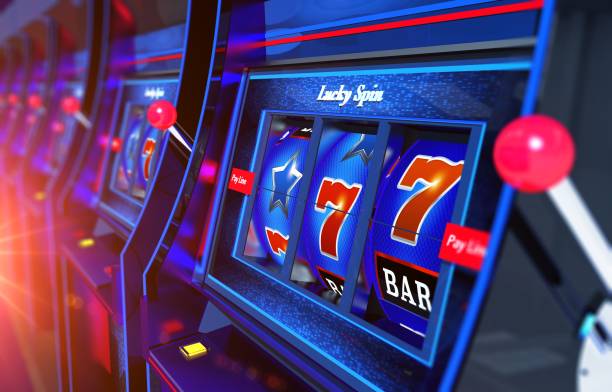
Moreover, it’s interesting to note that different games have varying house edges, which can influence a player’s perception of success or failure over time. Players who opt for games with a lower house edge, such as blackjack, might experience relatively better outcomes than those who primarily play slot machines. Understanding these statistics can inform players’ strategies and potentially lead to more calculated decisions in a gambling environment.
Short-Term vs. Long-Term Outcomes
The distinction between short-term luck and long-term outcomes is a critical concept in gambling. In the short term, players may experience fluctuations in their winnings, heavily influenced by luck. Someone may hit a big jackpot or win a series of hands; however, these instances are often anomalies in the broader scope of gaming. Over time, players will likely face the realities of the odds, where consistent losses overshadow those fleeting moments of luck.
It’s common for gamblers to recount their lucky stories, where a seemingly innocent decision led to a windfall. These anecdotes can reinforce the belief that luck holds a significant impact on winnings. Still, they often neglect to mention the numerous times they have lost, painting an incomplete picture of the gambling experience. This selective memory can skew a player’s perception and lead to an overestimation of the power of luck.
As players continue to engage with games over the years, they may confront the fact that luck is not a sustainable strategy. Over time, most will see their initial excitement wane as they encounter losses, irrespective of their experiences of a lucky streak. Recognizing this reality can help players manage their expectations and approach gambling more responsibly, understanding that while luck may bring excitement, it rarely ensures long-term success.
The Influence of Strategy and Skill
While luck undeniably plays a role in gambling, the importance of strategy and skill cannot be overlooked. Certain games allow players to employ tactics that can enhance their chances of winning. For example, poker is a game where skillful players can outmaneuver their opponents over time, leveraging their knowledge of the game to gain an advantage. In contrast to games where luck is the primary factor, such as slots, poker incorporates both strategy and psychological elements, allowing skilled players to influence outcomes significantly.
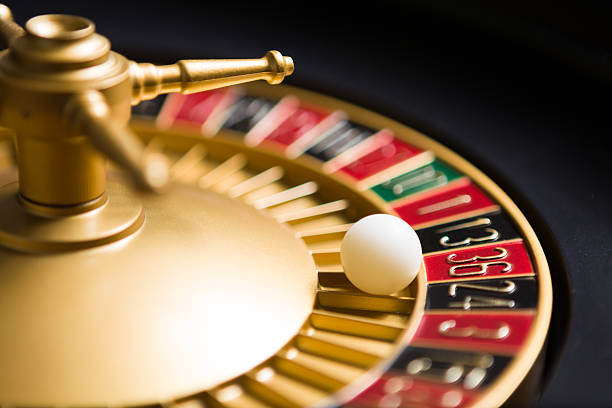
In games of skill, players who invest time in learning the intricacies of the game can improve their odds. This contrasts sharply with games reliant exclusively on chance, where no amount of skill will alter the odds. Therefore, understanding the difference between these game types is essential for players who wish to make informed choices about which games to play in the casino setting.
Moreover, players should recognize that even in skill-based games, luck still plays a role in the short term. Even the best strategies can falter due to unforeseen circumstances. However, skilled players are better equipped to navigate the randomness of luck, allowing them to capitalize on favorable outcomes while minimizing losses during unfavorable situations. Ultimately, the balance between luck and skill can vary significantly depending on the game being played, leading to different long-term outcomes for players.
Conclusion: Luck’s Role in Your Gambling Journey
In conclusion, the impact of luck on casino winnings is a multifaceted issue. While luck can significantly influence short-term outcomes, it is essential to acknowledge the mathematical realities of casino games that govern long-term results. Players who rely solely on luck are likely to face financial challenges as the inherent house edge works against them over time.
Understanding the dynamics between luck and strategy can empower players to make better choices in their gambling endeavors. By recognizing when luck is in their favor and when it might be prudent to step back, players can manage their expectations and experiences. In this way, they can enjoy the thrill of gambling while maintaining a healthy perspective on their chances of winning.
For those looking to explore further on this topic or seek guidance in their gambling journey, the website offers insightful resources and expertise to enhance your understanding of casino operations and gaming strategies. Whether you are a novice or a seasoned gambler, comprehending the interplay of luck and skill can elevate your gaming experience and foster a responsible approach to gambling.